
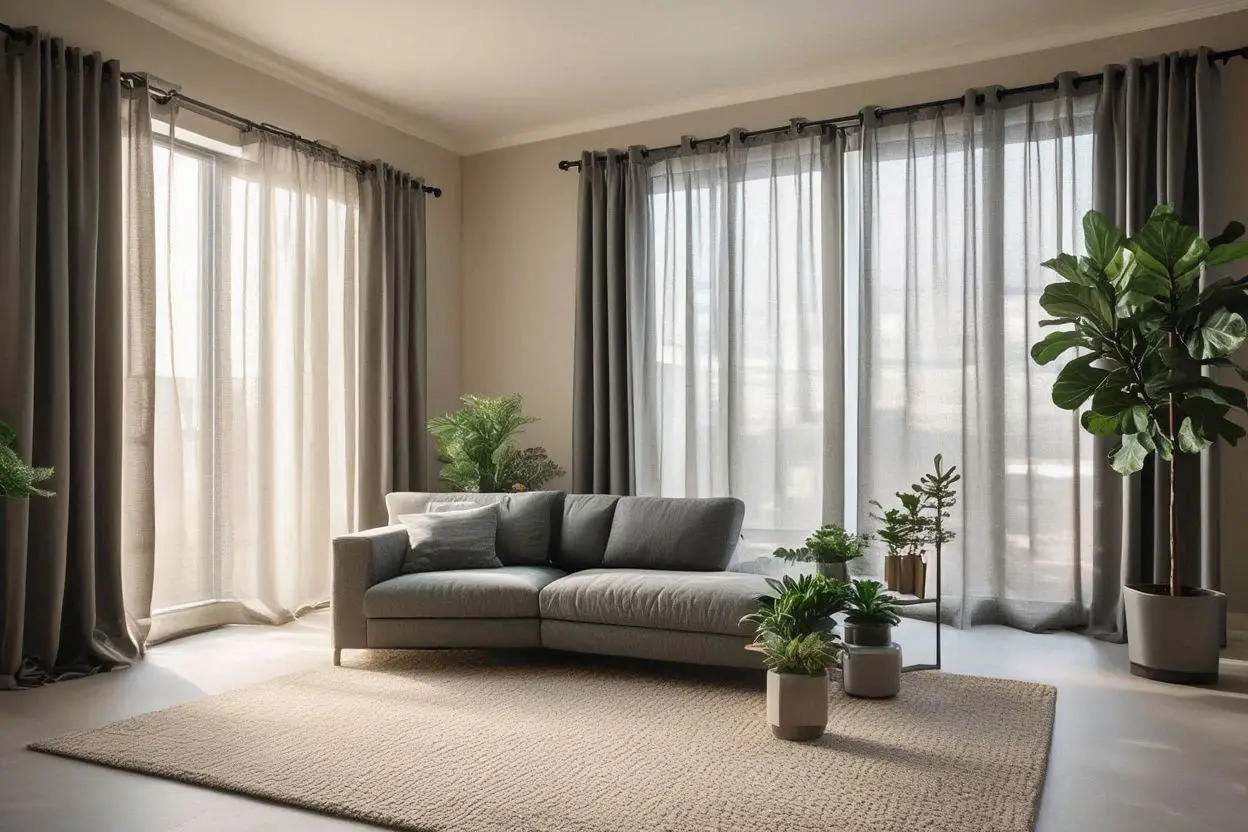
If you’ve ever sat down in your living room on a sunny afternoon, ready to relax, only to be blinded by harsh sunlight bouncing off the TV screen, you already know the problem. I’ve lived in homes where the living room faced west, and by late afternoon the room felt more like a greenhouse than a place to unwind. Add in street-facing windows or close neighbors, and privacy becomes another daily frustration.
Homes don’t look premium by accident
Follow HomeFitra on Pinterest for real home decor ideas, layouts, and styling inspiration that actually works in real homes.
Follow HomeFitra on Pinterest →This is where blackout curtains for living room spaces quietly change everything. Not in a dramatic, or overhyped way—but in the simple, “why didn’t I do this sooner? kind of way. When chosen well, they can soften the room, block unwanted light, and make the living area feel calmer and more comfortable without turning it into a dark cave.
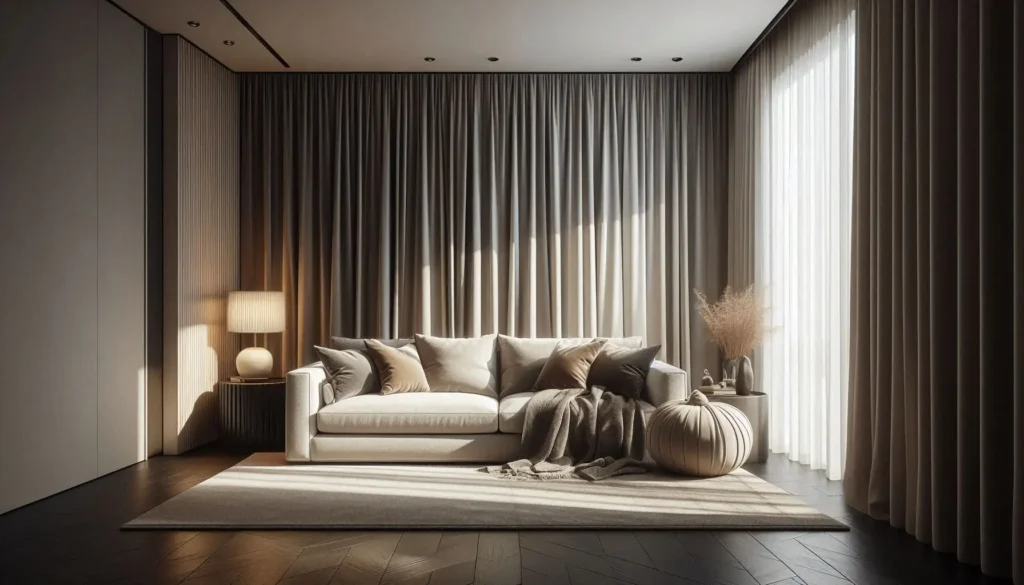
What Blackout Curtains Actually Do (Simple Explanation)
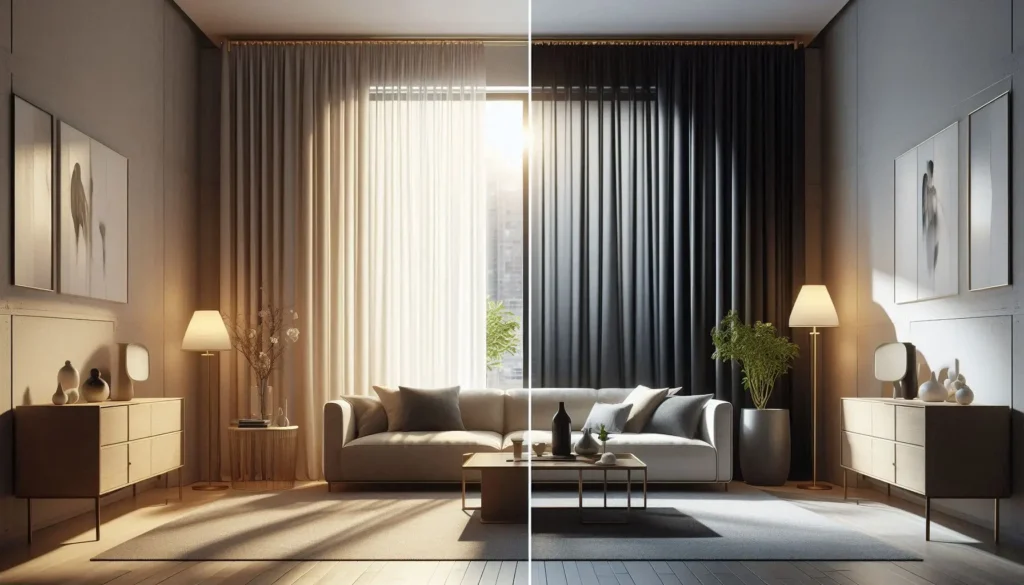
Blackout curtains are designed to reduce or in some cases completely block – outside light from entering a room. Unlike regular curtains that mainly add decoration or mild privacy, blackout curtains use thicker fabrics or special linings that stop light from passing through.
Think of them as a shield not just a filter. When sunlight hits the window, instead of glowing through the fabric, it stops at the curtain. The room stays darker, cooler, and more controlled.
That’s why blackout curtains for living room spaces work especially well when sunlight is a daily problem.
In real life, most blackout curtains don’t create pitch-black darkness unless they’re installed correctly and paired with proper rods. But even a good-quality option can block 85–95% of light, which is more than enough to make a noticeable difference in a living room.
This isn’t about turning your living room into a bedroom. It’s really about control—deciding when you want light and when you don’t.
If you’re also decorating a compact space, these ideas work especially well for apartments and smaller living rooms.
Why Blackout Curtains Make Sense for Living Rooms
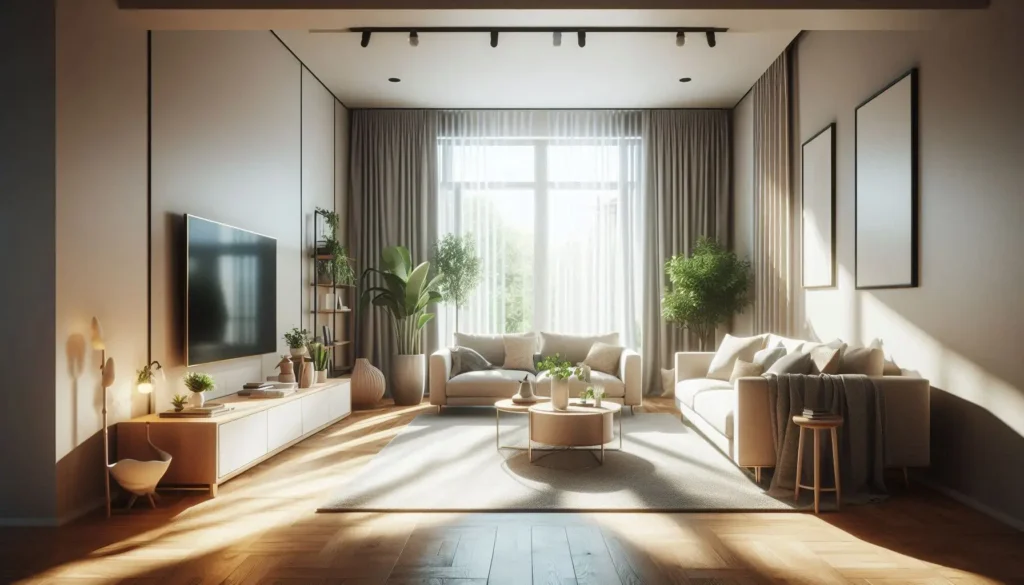
Living rooms are truly multi-purpose spaces. They’re not just for sitting—they’re for watching TV, reading, hosting guests, and sometimes even working from home. Light control plays a huge role in how usable the space feels.
First, there’s glare. Anyone who’s tried to watch a movie during daylight knows how annoying screen can be. Blackout curtains help reduce glare without needing to rearrange furniture or rely on blinds alone.
Second, comes heat management. sun-facing windows can quickly turn a comfortable room into an oven. Thick curtains help insulate the space, keeping it cooler in summer and warmer in winter.
Privacy is another big reason. Living rooms often face the street or neighboring buildings. With blackout curtains, you don’t have to choose between daylight and privacy—you can have both when needed.
Finally, comfort. A living room that feels calm and evenly lit is simply more inviting. That’s why blackout curtains for living room use aren’t just practical—they genuinely improve how the space feels day to day.That’s exactly why blackout curtains for living room spaces make such a practical difference.
If you’re also decorating a compact space, these ideas work especially well for apartments and smaller living rooms.
Types of Blackout Curtains for Living Room Use
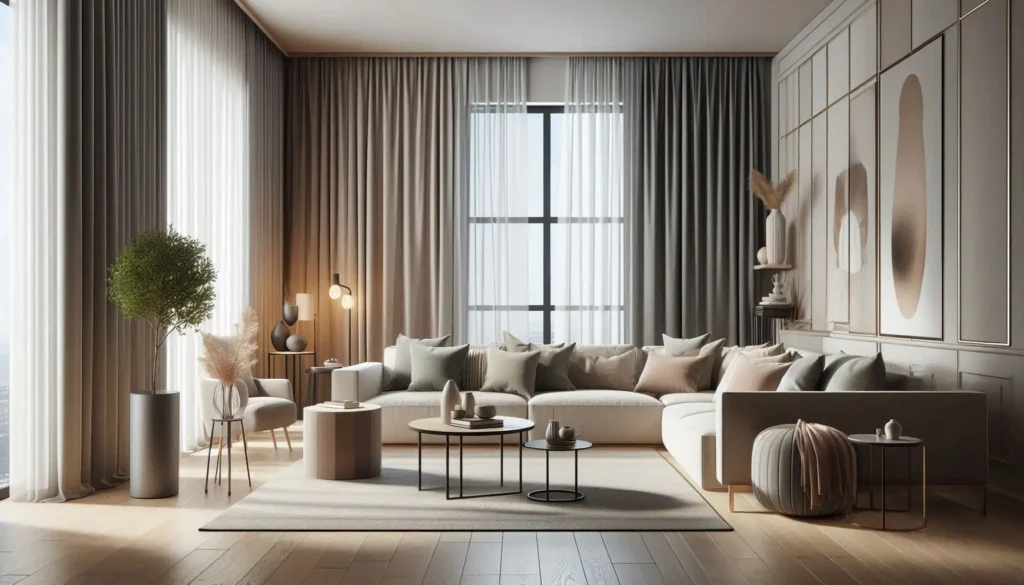
Not all blackout curtains are the same, and knowing the differences can save you from disappointment later.
Fabric-based blackout curtains rely on tightly woven, heavier fabric to block light. They look soft and decorative, which makes them popular for living rooms. However, they may let in slight light around the edges or through lighter colors.
Lined blackout curtains have a separate backing layer stitched to the main fabric. This lining does most of the real light-blocking work. These tend to perform better while still looking like regular curtains from the inside.
Thermal blackout curtains add insulation into the mix. They block light and help regulate the room’s temperature. These are ideal for large windows or rooms that get intense sun exposure.
Each type has trade-offs. Fabric-only styles look lighter and more casual, while lined and thermal options offer stronger performance. Choosing depends on how much light control you actually need.That’s why choosing the right blackout curtains for living room use really matters.
How to Choose the Best Blackout Curtains for Living Room
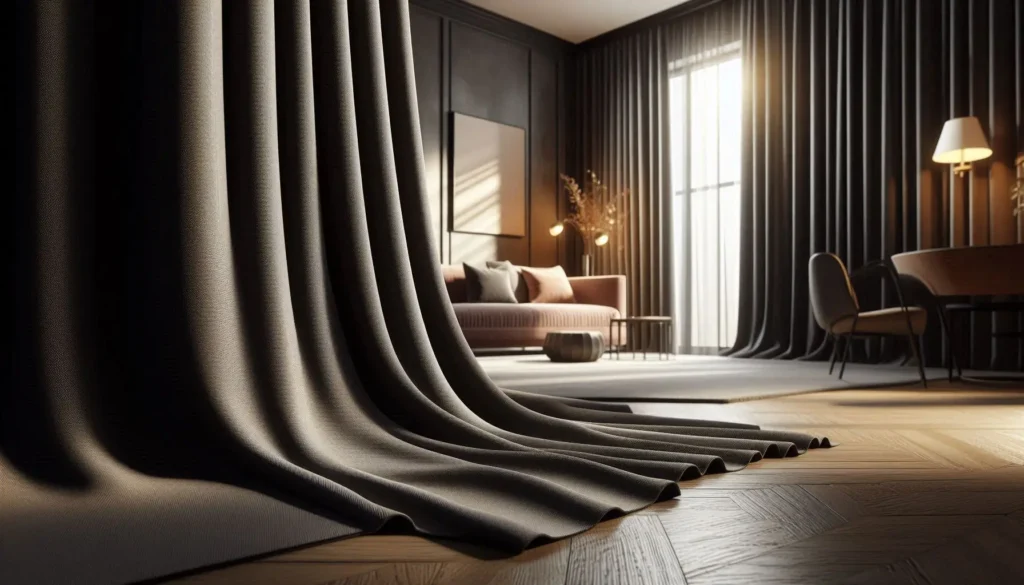
Choosing blackout curtains isn’t just about picking a color you like – it’s about how they actually work in your space. Small details make a big difference.
Fabric matters. Heavier fabrics generally block more light and hang better. If the curtain feels flimsy in your hands, chances are it won’t perform well once it’s up on the window.
Color plays a role. Darker colors block light more effectively, but modern linings mean lighter shades can still work. If your living room is small, light-colored blackout curtains can keep it from feeling closed-in.
Length and width are crucial. Curtains should extend beyond the window frame on all sides. Too narrow, and light will leak in from the edges. If they are too short, the whole setup ends up looking unfinished.
Rod placement matters more than people realize. Mounting the rod higher and wider than the window helps block light and makes ceilings look taller.
When blackout curtains for living room spaces are sized and hung correctly, their performance improves dramatically—often more than upgrading to a pricier fabric.
Getting these details right makes blackout curtains for living room spaces far more effective and comfortable.
Common Mistakes People Make When Buying Blackout Curtains
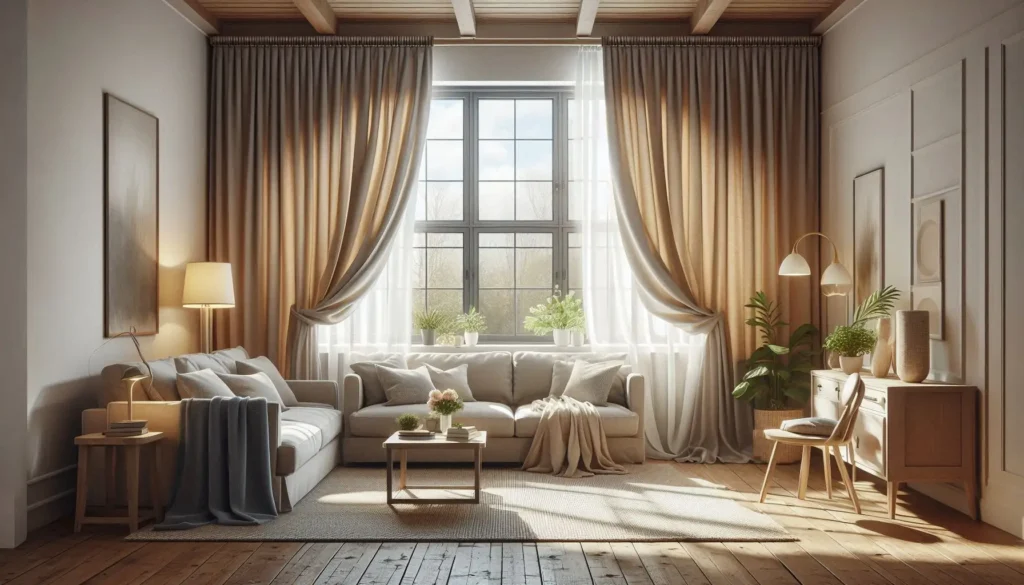
One of the biggest mistakes is buying curtains that are too small. Standard window measurements rarely work well for blackout purposes. Extra width is your friend.
Another common issue is ignoring the lining. Many curtains are labeled “room darkening” rather than true blackout. The difference matters a lot – especially in bright living rooms.
Color choice can also backfire. Very light curtains without proper lining may look beautiful but they often fail at blocking light.
Finally, hanging curtains too low or too close to the window frame allows light to spill in from the top and sides. Installation matters just as much as the cutain itself.
Avoiding these mistakes saves money and frustration in the long run.Paying attention to these details helps blackout curtains for living room spaces perform the way people expect.
How to Style Blackout Curtains So They Look Beautiful
One fear I hear often is that blackout curtains will make a living room feel heavy or dull. That doesn’t have to happen.
Choosing a textured fabric—like linen-look or soft velvet—adds warmth and interest. Pairing blackout curtains with sheer panels allows flexibility: sheers during the day, blackout curtains in the evening.
For modern living rooms, simple pleats or grommet tops keep the look clean. In smaller spaces, hanging curtains higher than the window draws the eye upward and makes the room feel larger.
Blackout curtains for living room décor work best when they blend in rather than dominate. When styled thoughtfully, most guests won’t even realize they’re blackout curtains at all.
If you’re also decorating a compact space, these ideas work especially well for apartments and smaller living rooms.
Are Blackout Curtains Worth It for Living Rooms?
The honest answer for many homes is yes—but it’s not for everyone.
If your living room gets strong sunlight, faces the street, or doubles as a TV or media room, blackout curtains are often absolutely worth it. They improve comfort, reduce glare, and add privacy without constant adjustment.
However, if your living room already has soft, indirect light and plenty of privacy, lighter curtains or shades might be enough for your space.
The key is matching the solution to how you actually live. Blackout curtains shine when control and comfort matter more than constant brightness.When chosen thoughtfully, blackout curtains for living room spaces can improve comfort without sacrificing style.
According to interior design experts, properly installed blackout curtains can significantly reduce glare and improve indoor comfort.
Simple Buying Checklist
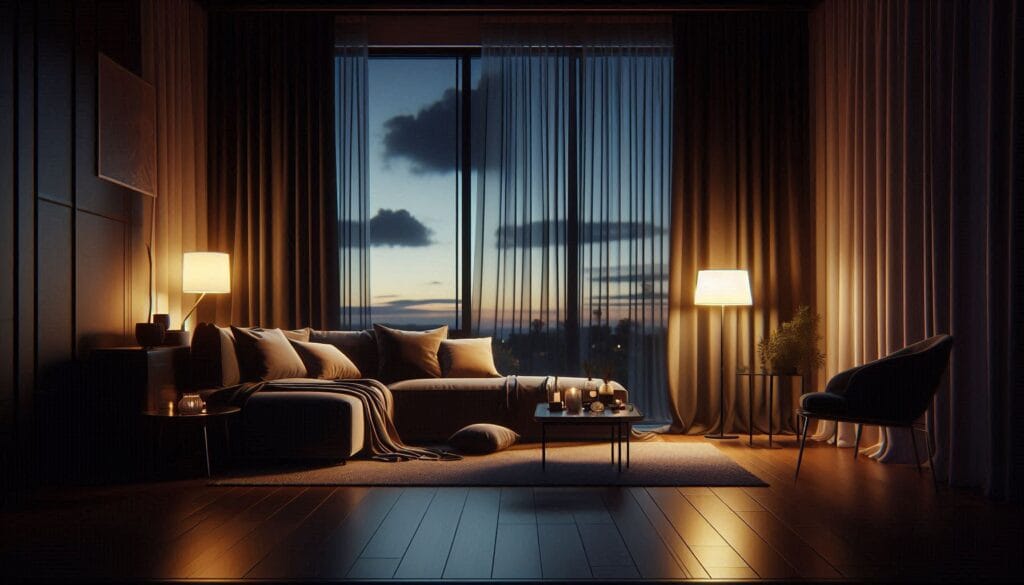
Before buying, it helps to pause for a moment and run through a quick mental checklist:
- Measure wider and taller than the window
- Check if the curtain is truly blackout or just room darkening
- Consider lining and thermal properties
- Choose a color that suits both function and style
- Plan rod placement before installing
A few minutes of planning makes a big difference in results.
Conclusion
Living rooms should feel comfortable at any time of day, not just when the sun cooperates. The right curtains give you that control without constant compromise. When chosen thoughtfully, blackout curtains for living room spaces can reduce glare, improve privacy, and make the room feel more relaxed and intentional.
They’re not about blocking the world out—they’re about shaping your space to suit your life. And once you experience that difference, it’s hard to go back.